Government contracting, a few minutes at a time
Short animated lessons on how the government buys. One idea per video, one to three minutes each. Press play and the TV keeps serving episodes you haven't watched yet, or pick the one you need from the guide below.

Start here
Episode 01: What makes something a contract?
Offer, acceptance and consideration. Get all three and you have a contract, even if you sold your car for a dollar.
Up next:
Watch this one on YouTube (opens in a new tab)Episode guide
Pick any episode and it plays on the TV. New episodes are added here as they come out.
-
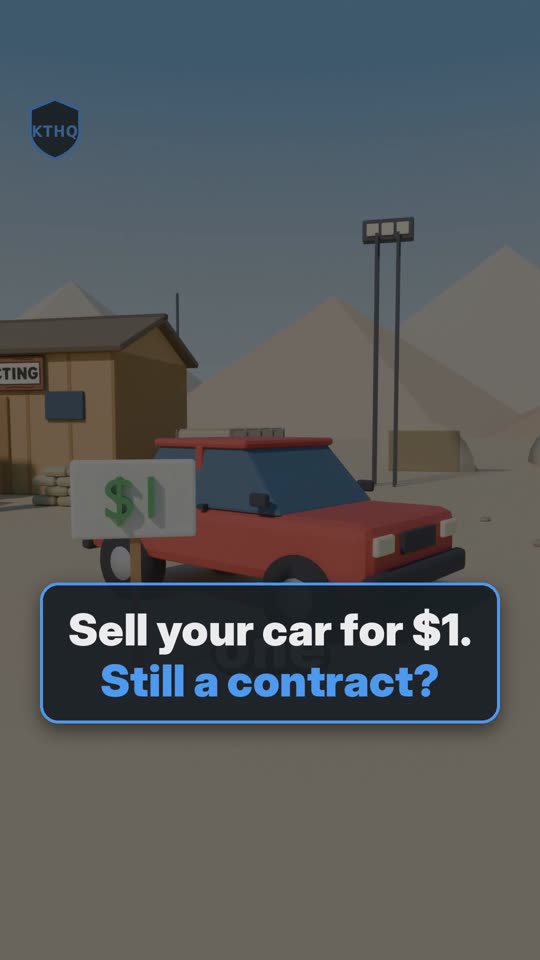 Episode 01
What makes something a contract?
Offer, acceptance and consideration. Get all three and you have a contract, even if you sold your car for a dollar.
Watch on YouTube (Episode 1, opens in a new tab) -
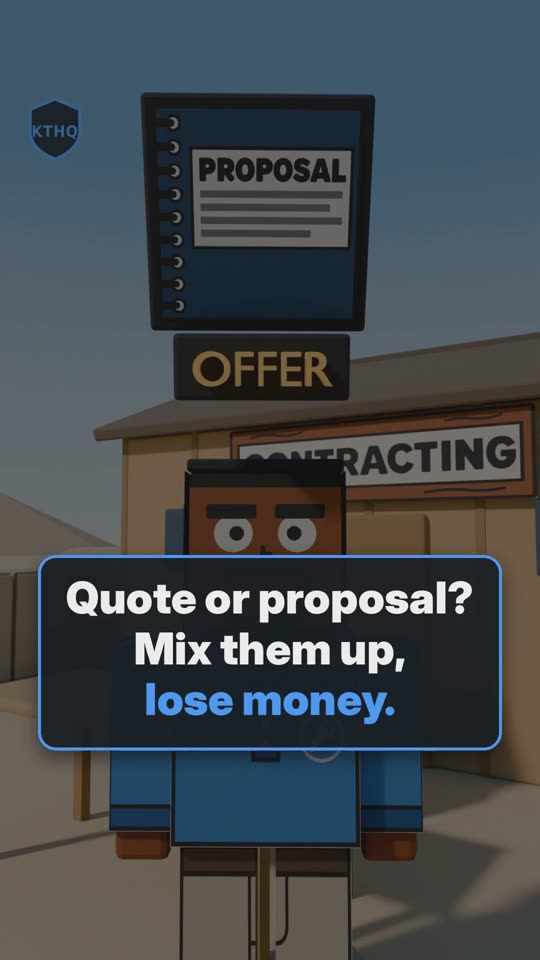 Episode 02
Quote vs. proposal
They can look like the same piece of paper, but legally they are opposites. It comes down to who is making the offer.
Watch on YouTube (Episode 2, opens in a new tab) -
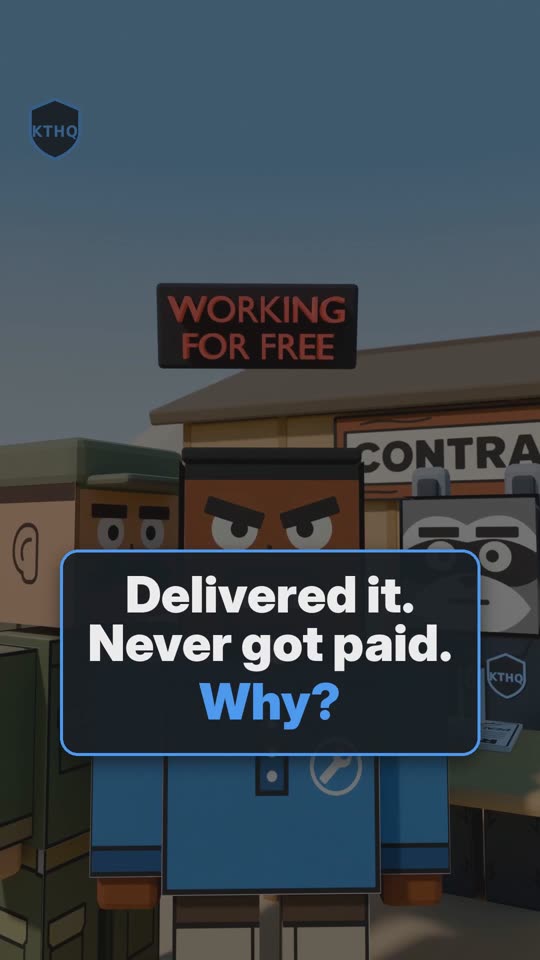 Episode 03
What counts as acceptance?
Exact terms, the right way, from the right person. Miss one, and a contractor can deliver and never get paid.
Watch on YouTube (Episode 3, opens in a new tab) -
 Episode 04
Who can say yes for the government?
Rank is not authority, and neither is a title. Who can bind the government to a contract, and who cannot.
Watch on YouTube (Episode 4, opens in a new tab) -
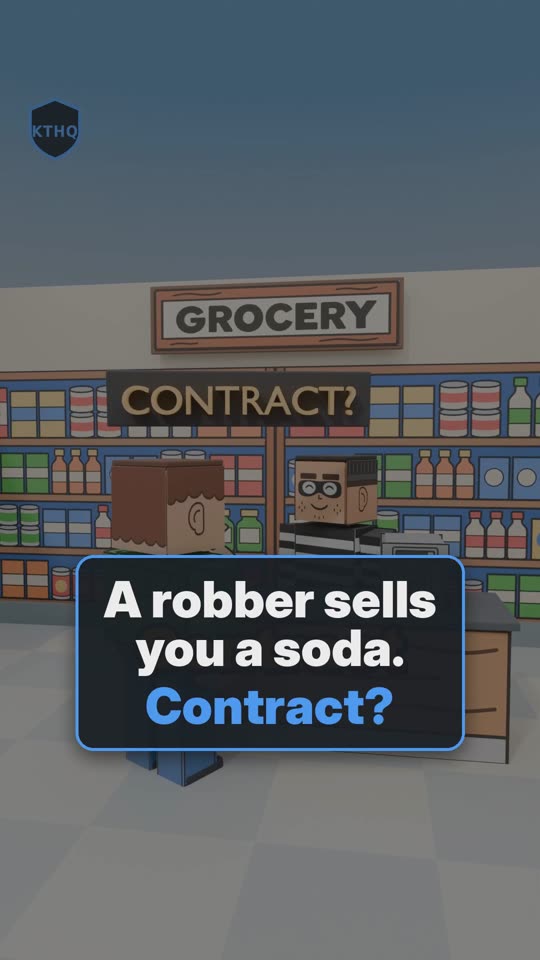 Episode 05
What else makes a contract?
A robber sells you a soda. Offer, acceptance and consideration make a deal, but they do not always make a contract.
Watch on YouTube (Episode 5, opens in a new tab) -
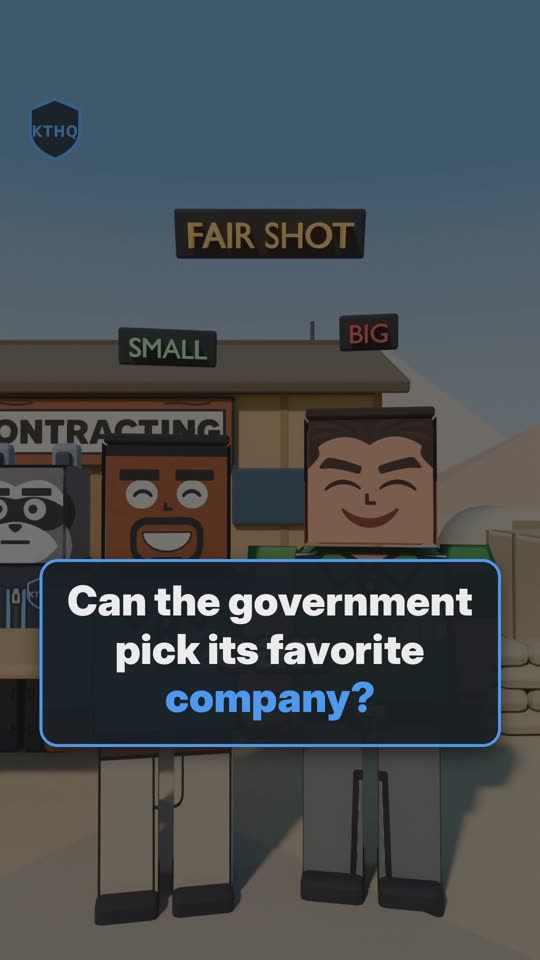 Episode 06
CICA: why the government has to compete
The government cannot just pick its favorite company. A 1984 law, the Competition in Contracting Act, makes it compete its contracts.
Watch on YouTube (Episode 6, opens in a new tab) -
 Episode 07
The seven exceptions to competition
Competition is the rule, but there are seven legal exceptions. Each one, with an example and a trick to remember them.
Watch on YouTube (Episode 7, opens in a new tab) -
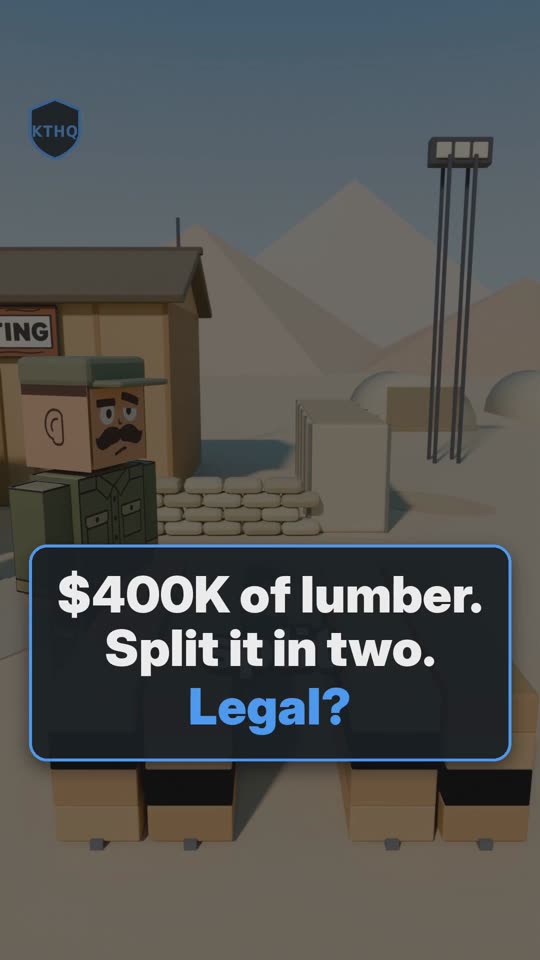 Episode 08
The simplified acquisition threshold
At or under $350,000, fewer rules apply and small businesses go first. Go over it, and everything takes longer.
Watch on YouTube (Episode 8, opens in a new tab) -
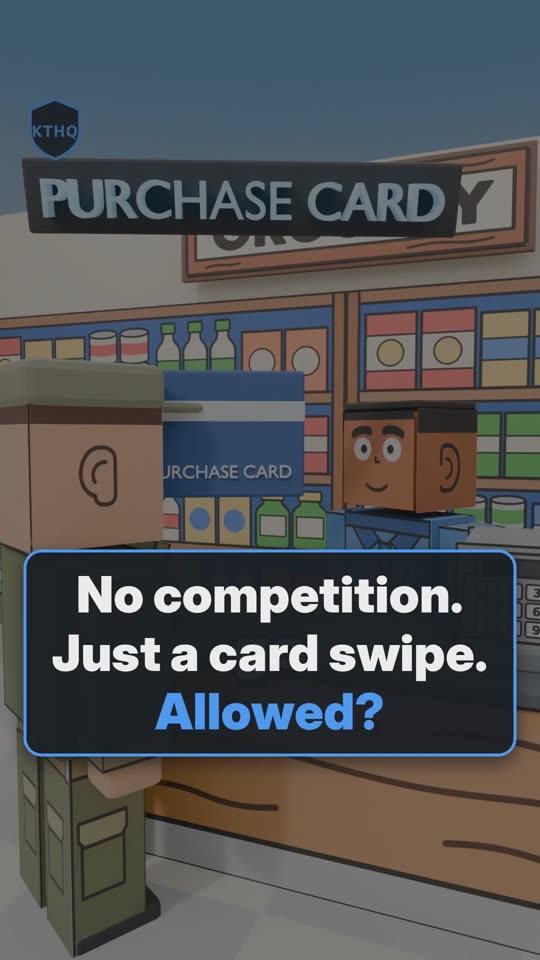 Episode 09
The micro-purchase threshold
$15,000 for most purchases. At or under it, no competition is required, and it usually goes on a purchase card.
Watch on YouTube (Episode 9, opens in a new tab) -
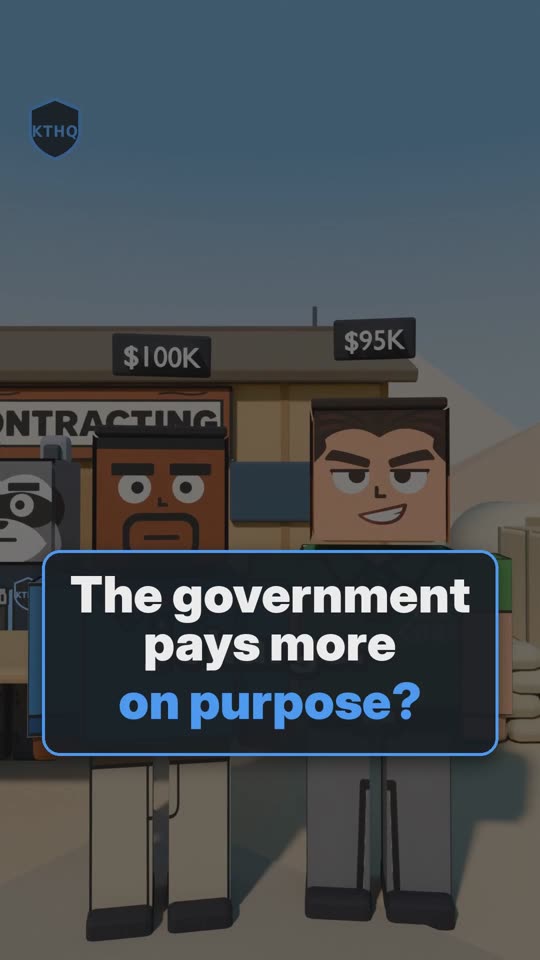 Episode 10
Small business set-asides
When only small businesses can compete, who counts as small, and why the government will pay more on purpose.
Watch on YouTube (Episode 10, opens in a new tab) -
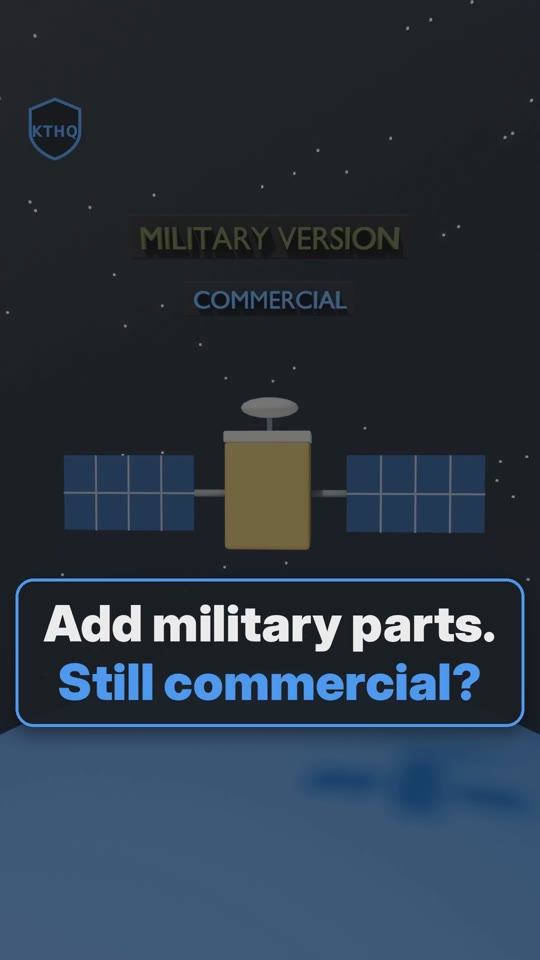 Episode 11
Commercial vs. noncommercial
Everything the government buys is one or the other. Commercial keeps the contract light. Noncommercial means more clauses and more rights for the government.
Watch on YouTube (Episode 11, opens in a new tab) -
 Episode 12
Davis-Bacon
On federal construction, workers get at least the local prevailing wage and benefits. Contractors post it and pay it.
Watch on YouTube (Episode 12, opens in a new tab) -
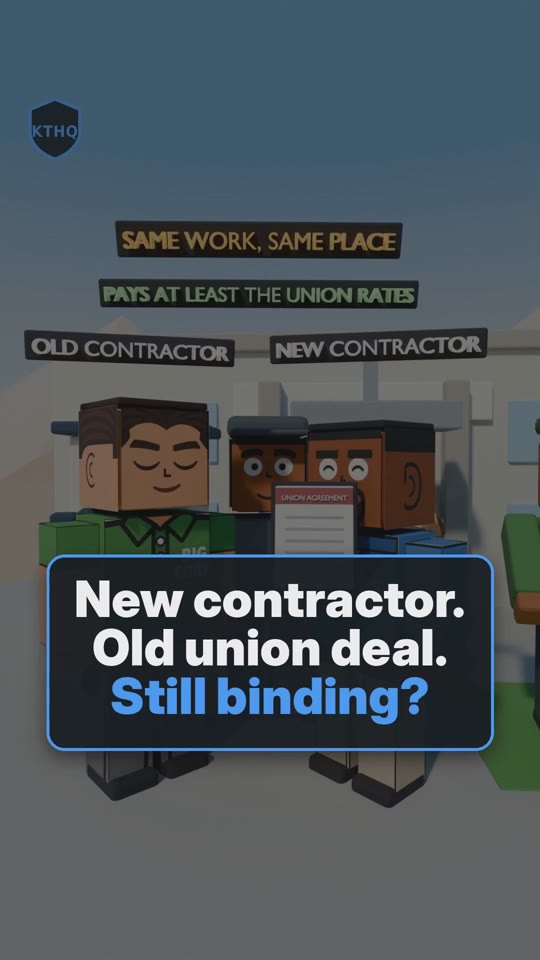 Episode 13
Service Contract Labor Standards
Janitors, guards, cooks and groundskeepers on federal contracts get at least the local wage and benefits. A new contractor can even inherit the old one's union rates.
Watch on YouTube (Episode 13, opens in a new tab) -
 Episode 14
Firm-fixed-price contracts
One price for the whole job. The contractor carries the cost risk and keeps the savings.
Watch on YouTube (Episode 14, opens in a new tab) -
 Episode 15
Cost-reimbursement contracts
The government pays the contractor's allowable costs plus a fee, and carries most of the risk. It's for work nobody can price up front.
Watch on YouTube (Episode 15, opens in a new tab) -
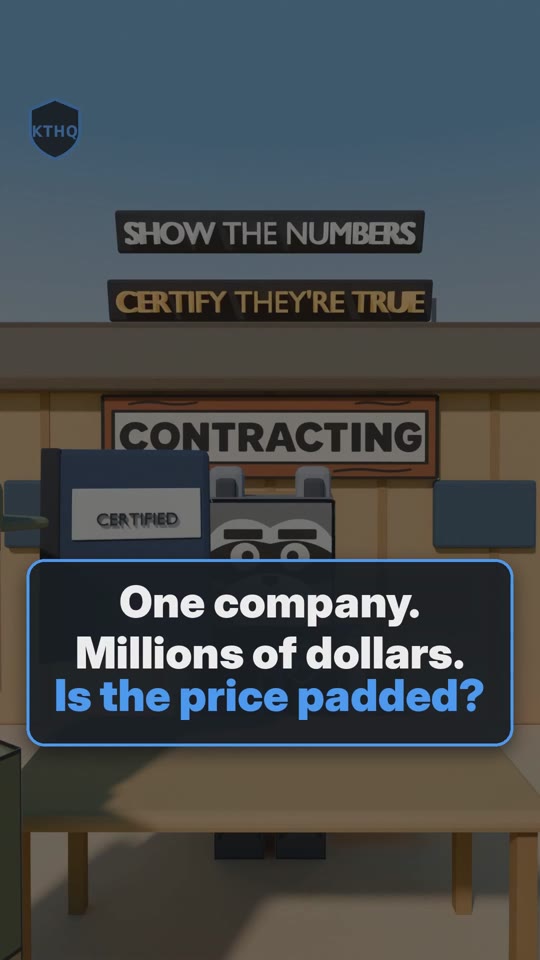 Episode 16
Certified cost or pricing data
When there's no competition, the contractor shows the facts behind its price and certifies them. If the data was wrong, the government takes the difference back.
Watch on YouTube (Episode 16, opens in a new tab) -
 Episode 17
Fair and reasonable price
Every price has to pass the test before the government pays it. Competition usually settles it. When it can't, the contracting officer has to show the work.
Watch on YouTube (Episode 17, opens in a new tab) -
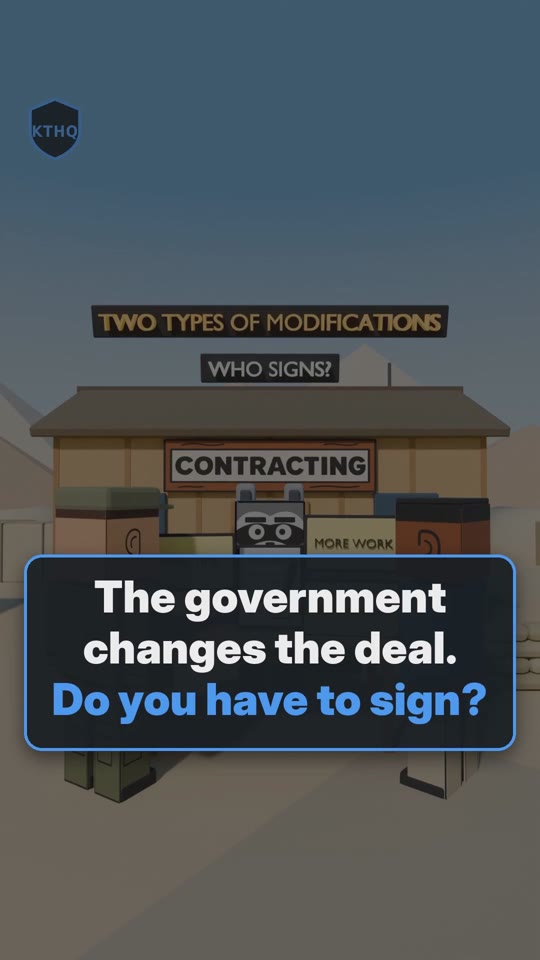 Episode 18
Types of contract modifications
Two types, and the difference is who signs. Unilateral, only the contracting officer signs. Bilateral, both sides agree.
Watch on YouTube (Episode 18, opens in a new tab) -
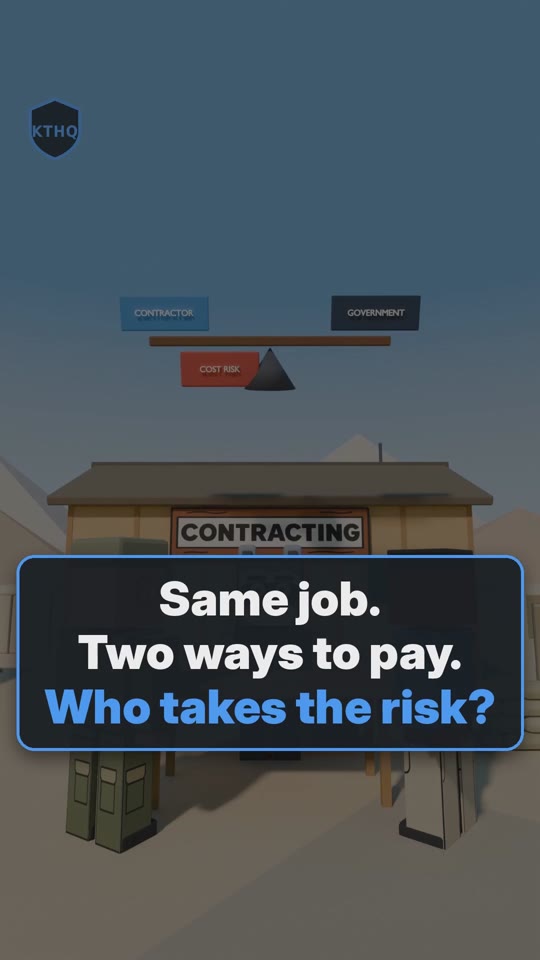 Episode 19
Fixed-price vs. cost-reimbursement
Same job, two ways to pay. Fixed price puts the cost risk on the contractor; cost-reimbursement puts most of it on the government.
Watch on YouTube (Episode 19, opens in a new tab) -
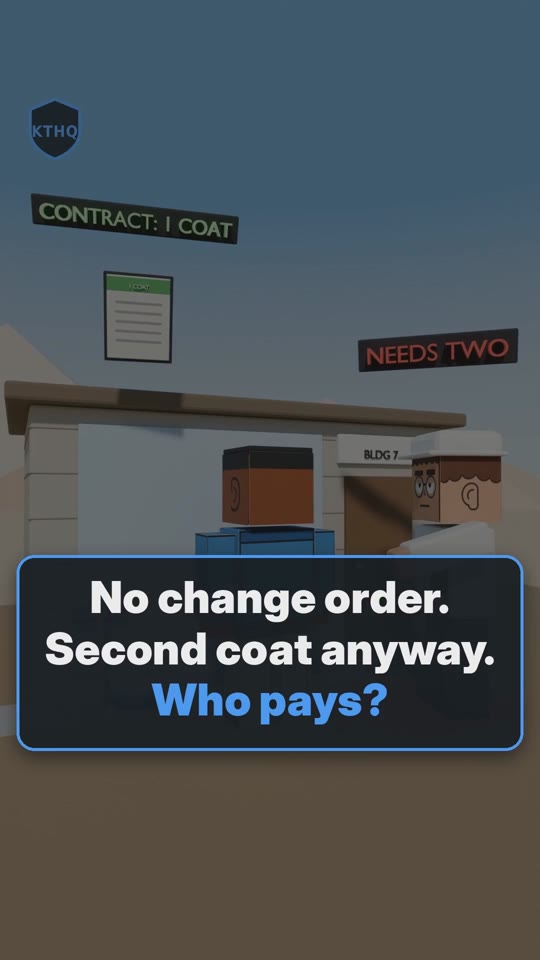 Episode 20
Constructive changes
When the work changes without a written change order. The contractor did extra work, the government caused it, and the question is who pays.
Watch on YouTube (Episode 20, opens in a new tab) -
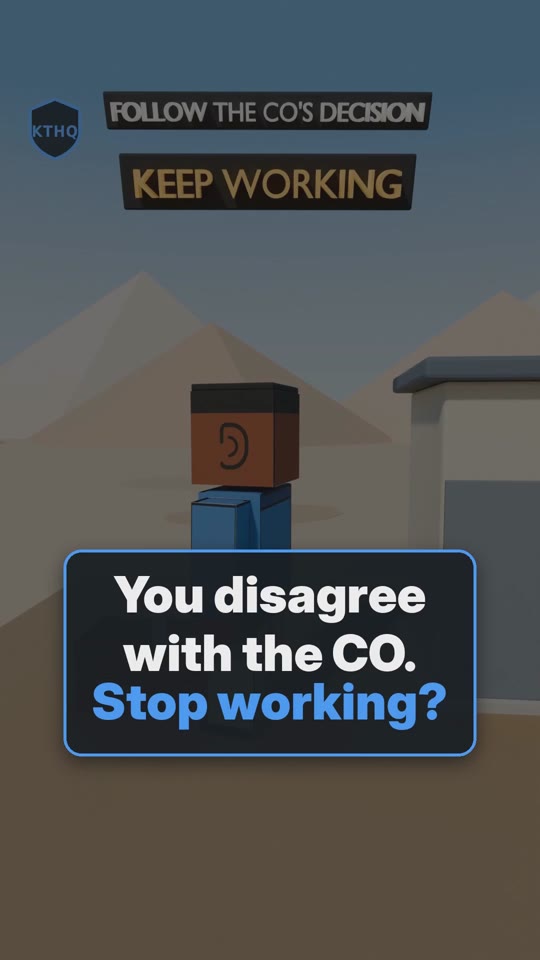 Episode 21
Disputes and claims
A claim is a written demand for a specific amount. Over $100,000 the contractor certifies it, the contracting officer decides, and the work keeps going during the appeal.
Watch on YouTube (Episode 21, opens in a new tab) -
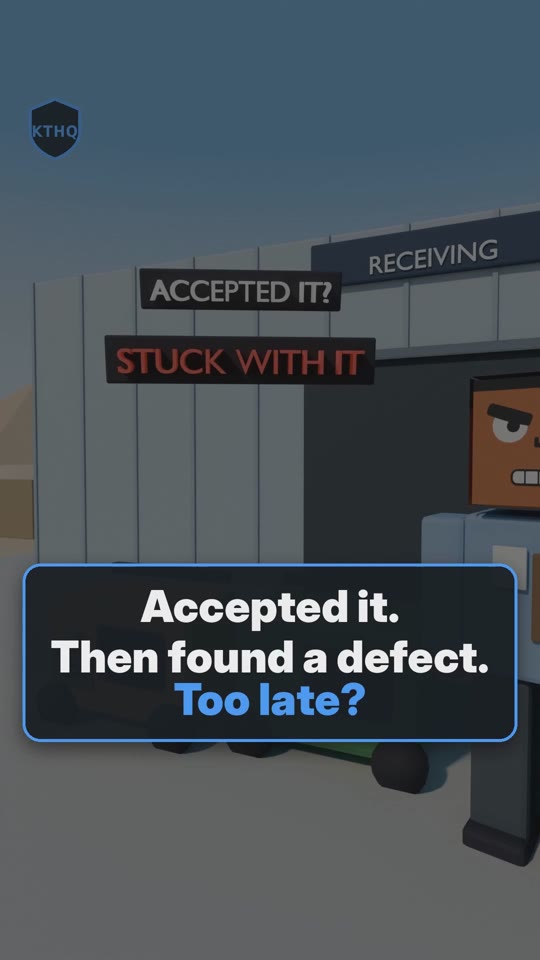 Episode 22
Inspection and acceptance
The government inspects, then accepts, and acceptance is generally final. Defects it should have caught are on the government; hidden ones can come back.
Watch on YouTube (Episode 22, opens in a new tab) -
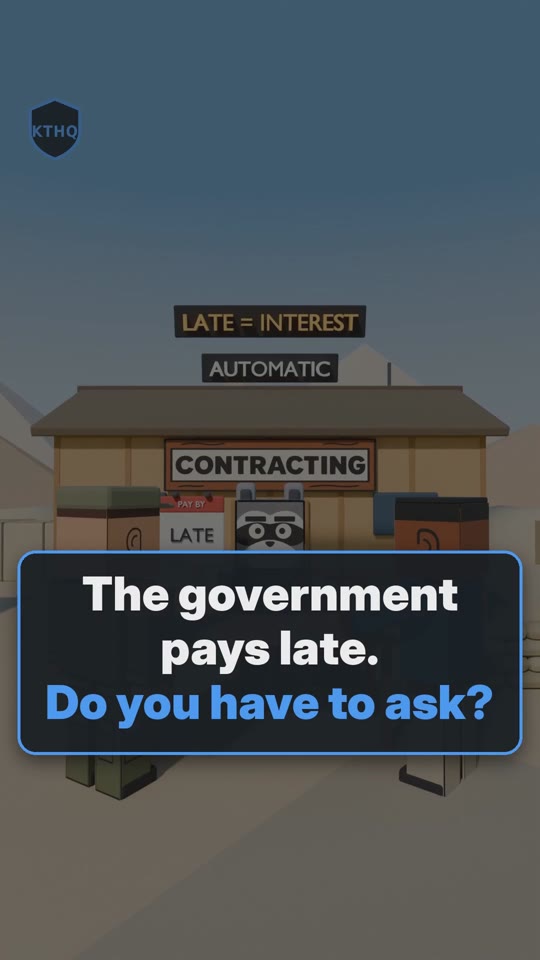 Episode 23
Getting paid
The Prompt Payment Act: send a proper invoice and payment is due in 30 days. Pay late, and the government owes interest automatically.
Watch on YouTube (Episode 23, opens in a new tab) -
 Episode 24
Options
The government's right, and only the government's, to buy more or keep a contract going at a price set up front. Dash eight when you're late, dash nine when you're fine.
Watch on YouTube (Episode 24, opens in a new tab) -
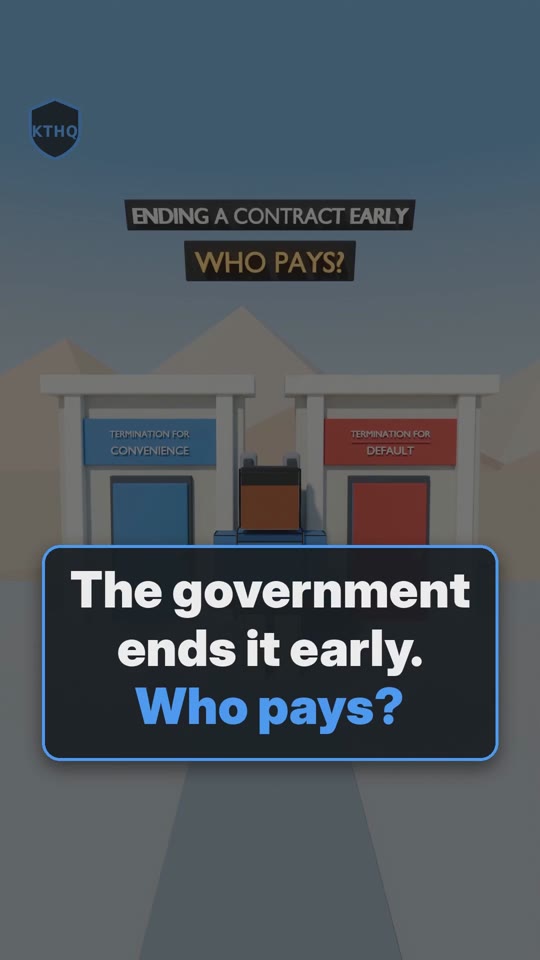 Episode 25
Termination for convenience vs. default
Two ways the government ends a contract early, and who pays for each.
Watch on YouTube (Episode 25, opens in a new tab) -
 Episode 26
IDIQ contracts
The prices and rules are set now, and the orders come later. A guaranteed minimum, a maximum, and a fair shot for every awardee on each order.
Watch on YouTube (Episode 26, opens in a new tab) -
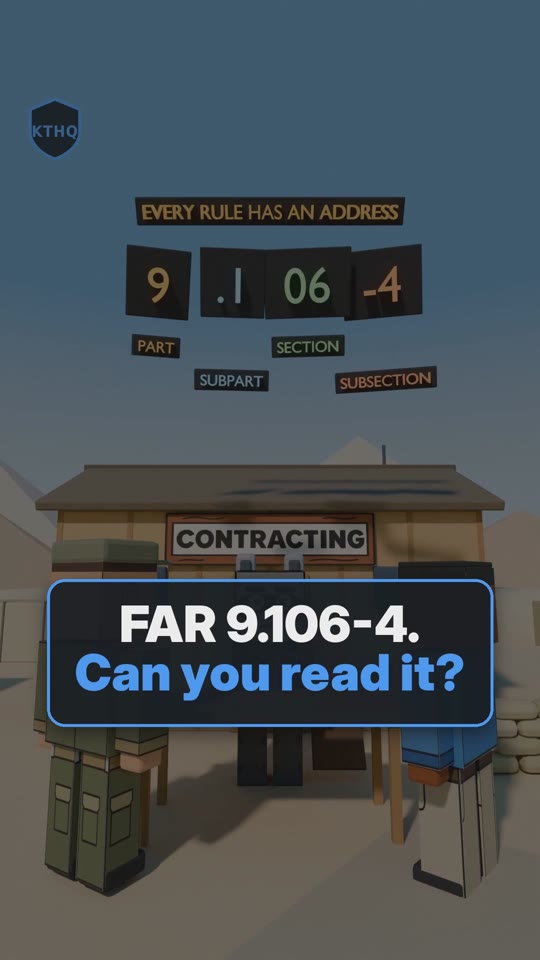 Episode 27
The FAR
The main rulebook agencies follow when they buy. It has the force of law, every rule has an address, and its clauses bind contractors.
Watch on YouTube (Episode 27, opens in a new tab) -
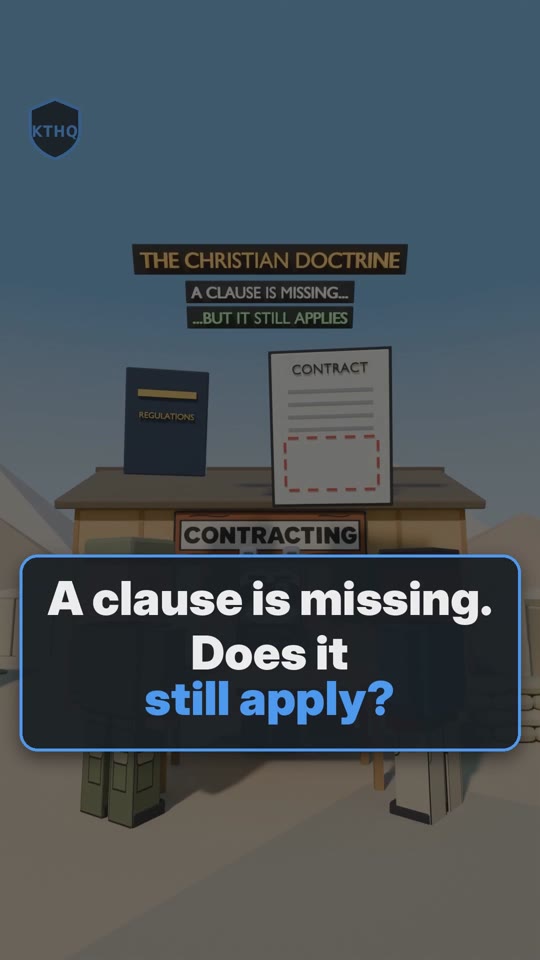 Episode 28
The Christian doctrine
Some required clauses apply even when they're left out of the contract. A 1963 court case started it, and it's still used today.
Watch on YouTube (Episode 28, opens in a new tab) -
 Episode 29
Time-and-materials and labor-hour
Paying by the hour when nobody can price the work up front, with a ceiling the government won't pay past.
Watch on YouTube (Episode 29, opens in a new tab) -
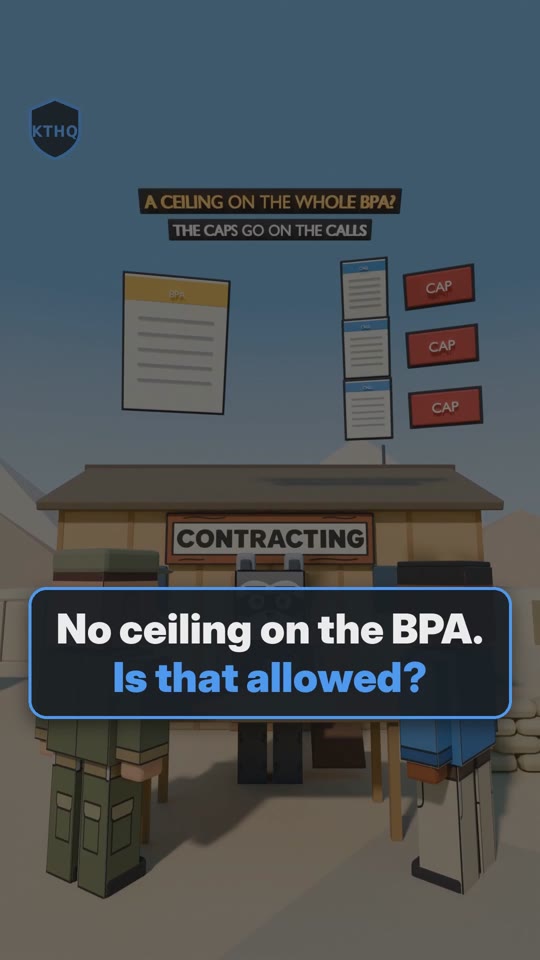 Episode 30
Blanket purchase agreements
A charge account with a supplier. The terms are set once, the orders do the buying, and each order has a cap.
Watch on YouTube (Episode 30, opens in a new tab) -
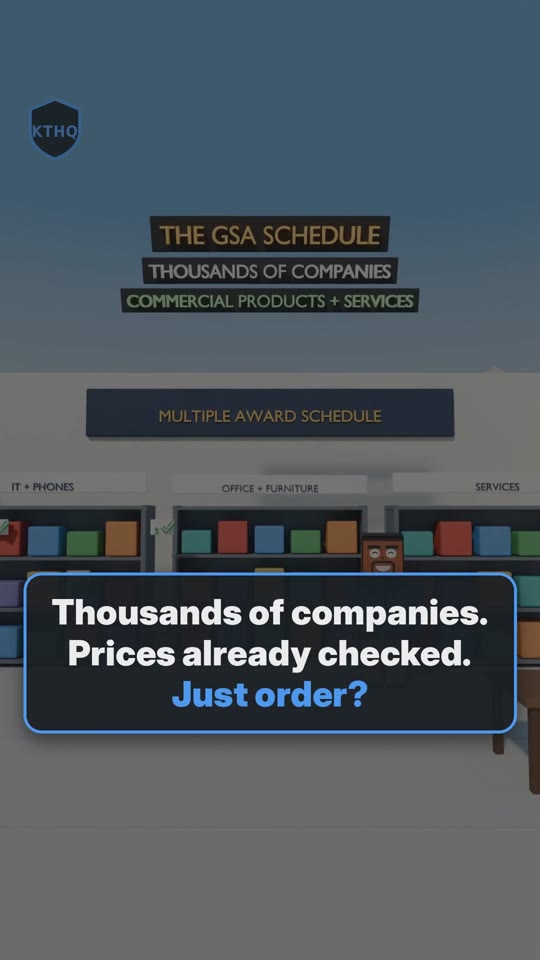 Episode 31
The GSA Schedule
A store where the prices are already checked. GSA negotiates long-term contracts up front, so any agency can order fast.
Watch on YouTube (Episode 31, opens in a new tab) -
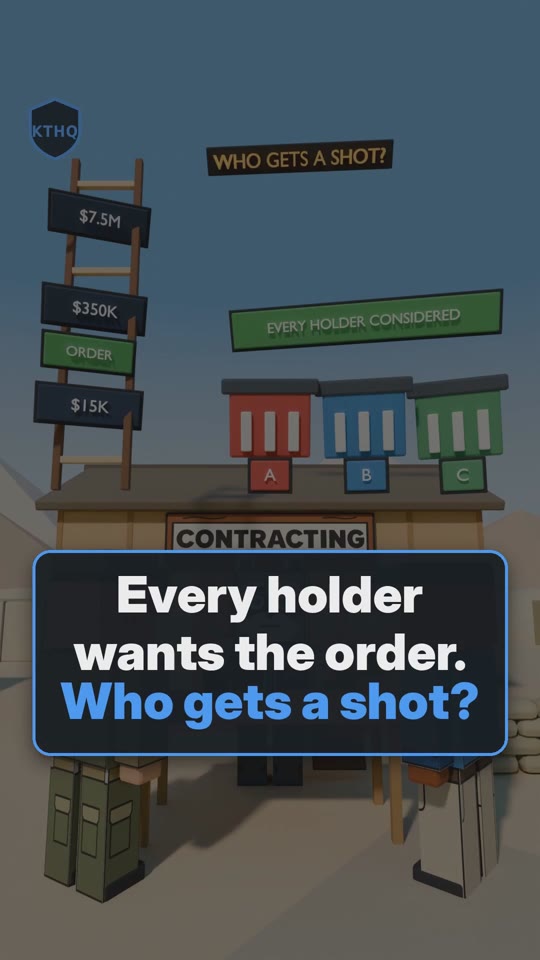 Episode 32
Fair opportunity
When several companies hold contracts under one program, each gets a shot at every order above the micro-purchase threshold. Price always counts, and the exceptions are few.
Watch on YouTube (Episode 32, opens in a new tab) -
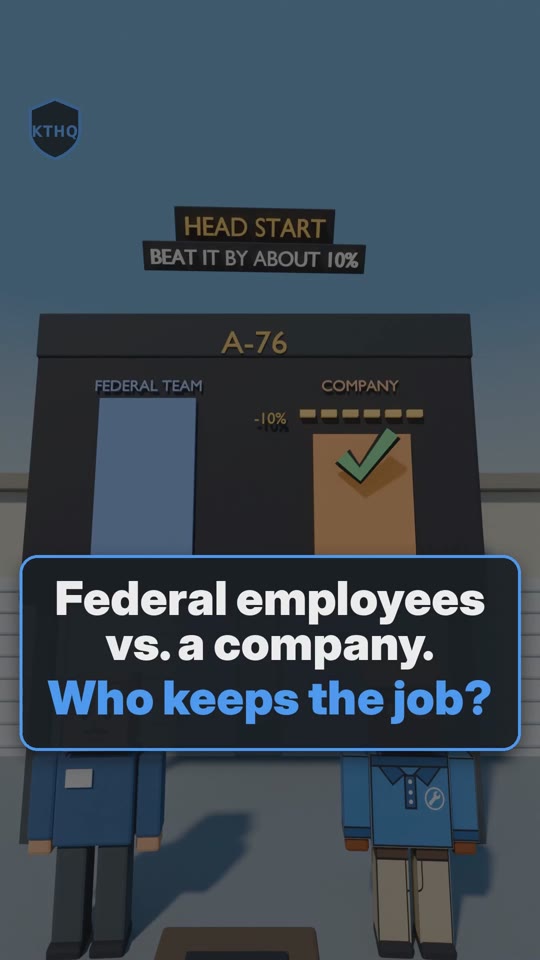 Episode 33
A-76
Federal employees and companies compete for commercial work, and the winner does the job. Congress froze it in 2009.
Watch on YouTube (Episode 33, opens in a new tab) -
 Episode 34
Sealed bidding
Sealed prices, opened in public, judged on price alone. The lowest responsive bid from a responsible company wins.
Watch on YouTube (Episode 34, opens in a new tab) -
 Episode 35
Inherently governmental work
Some jobs only a federal employee can do. A contractor can research, analyze and recommend, but the decision and the signature stay with the government.
Watch on YouTube (Episode 35, opens in a new tab) -
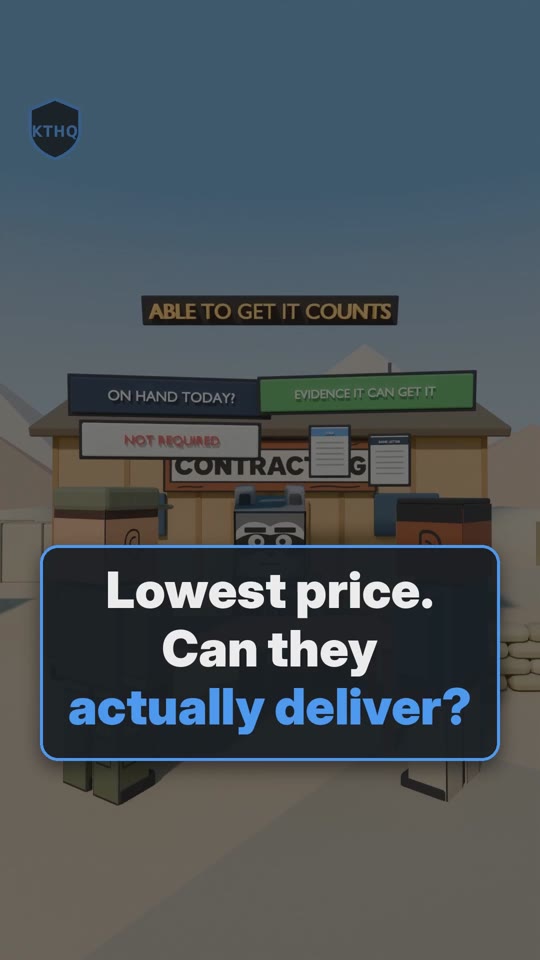 Episode 36
Contractor responsibility
Before any award, the contracting officer decides whether the company can actually do the job. The company carries the burden, and it's a separate question from past performance.
Watch on YouTube (Episode 36, opens in a new tab) -
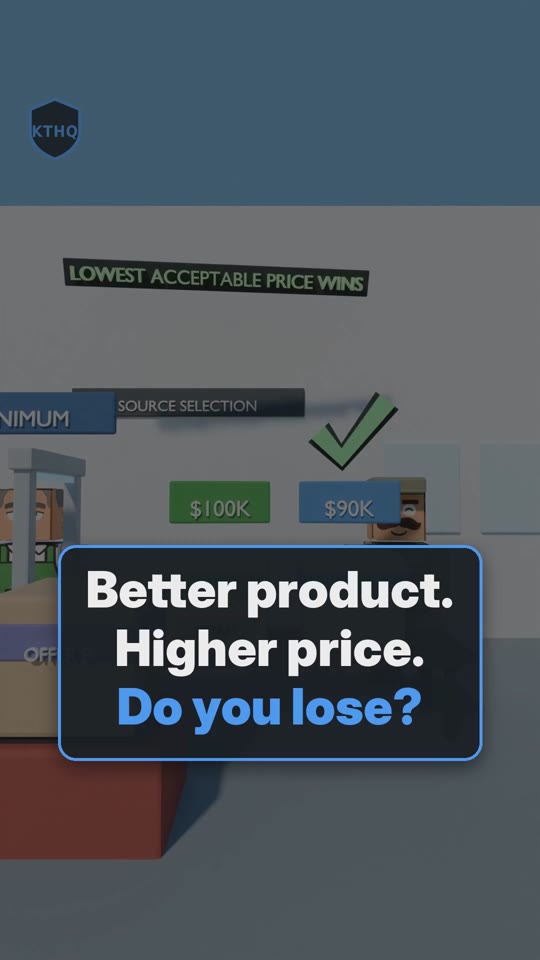 Episode 37
LPTA
Lowest price technically acceptable: pass or fail on the technical side, then the lowest price wins. Extras earn no extra credit.
Watch on YouTube (Episode 37, opens in a new tab) -
 Episode 38
Evaluation factors
The rules of the competition, named up front with their weight. The government can only grade what it announced.
Watch on YouTube (Episode 38, opens in a new tab) -
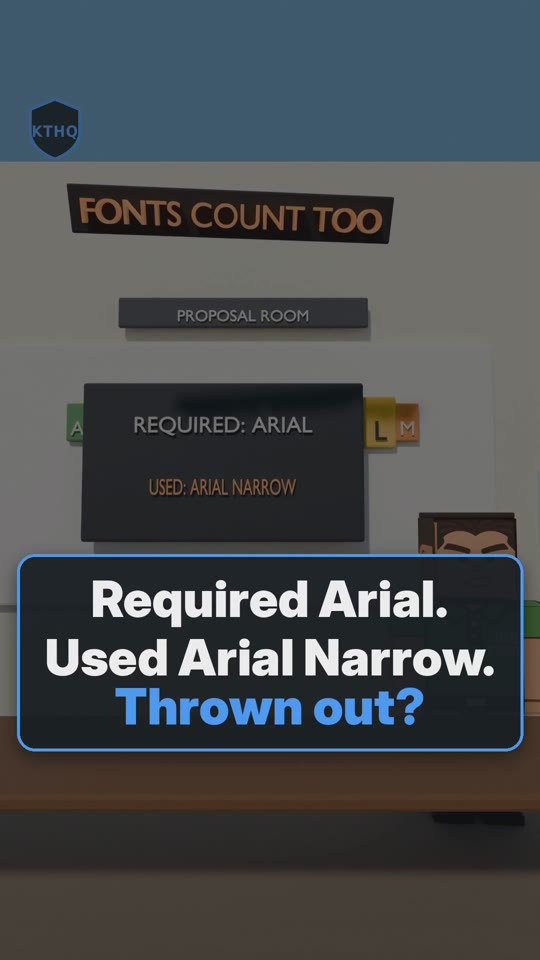 Episode 39
Section L
The instructions for building and turning in a proposal. Page limits, volumes, even fonts, and following them isn't optional.
Watch on YouTube (Episode 39, opens in a new tab) -
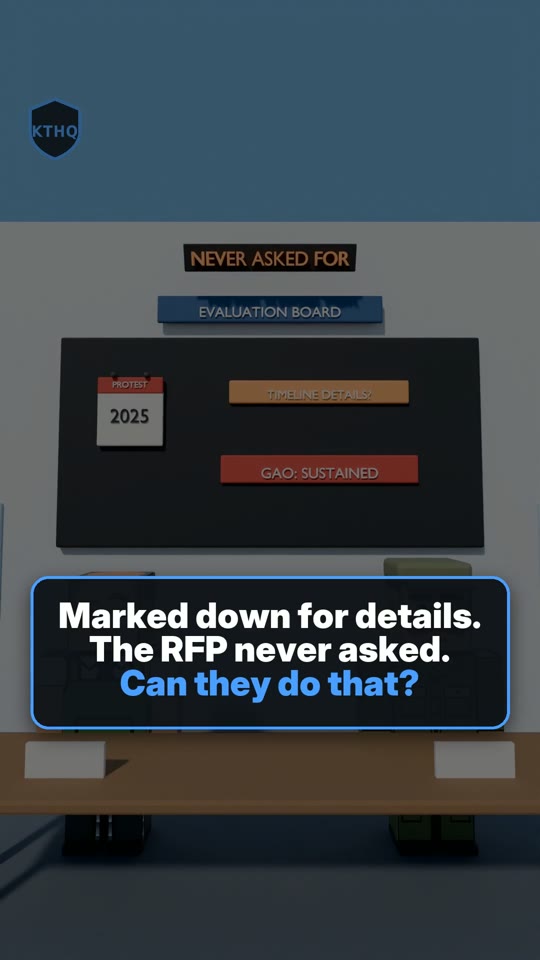 Episode 40
Section M
The solicitation's grading rubric. It names the evaluation factors, ranks them and says how the winner gets picked. The government has to follow it.
Watch on YouTube (Episode 40, opens in a new tab) -
 Episode 41
52.212-1 Instructions to offerors
What goes in an offer on a commercial buy, how long the price holds, and why late is late.
Watch on YouTube (Episode 41, opens in a new tab) -
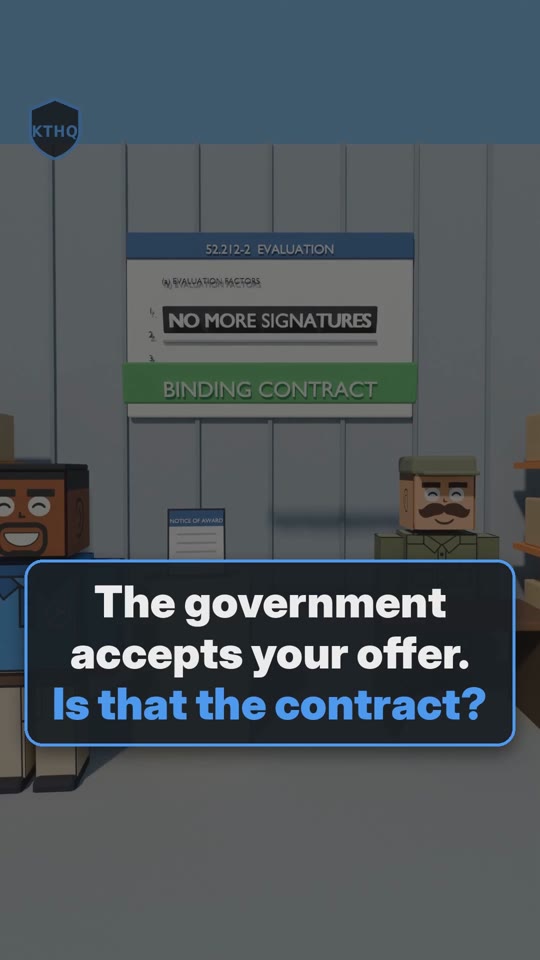 Episode 42
52.212-2 Evaluation
The evaluation provision for commercial buys. It names and ranks the factors, handles options, and says a written award notice can form the contract.
Watch on YouTube (Episode 42, opens in a new tab) -
 Episode 43
Debriefings
After a competition, the government explains how a company's proposal was graded and why the winner won. Three days to ask, and it sets the protest clock.
Watch on YouTube (Episode 43, opens in a new tab) -
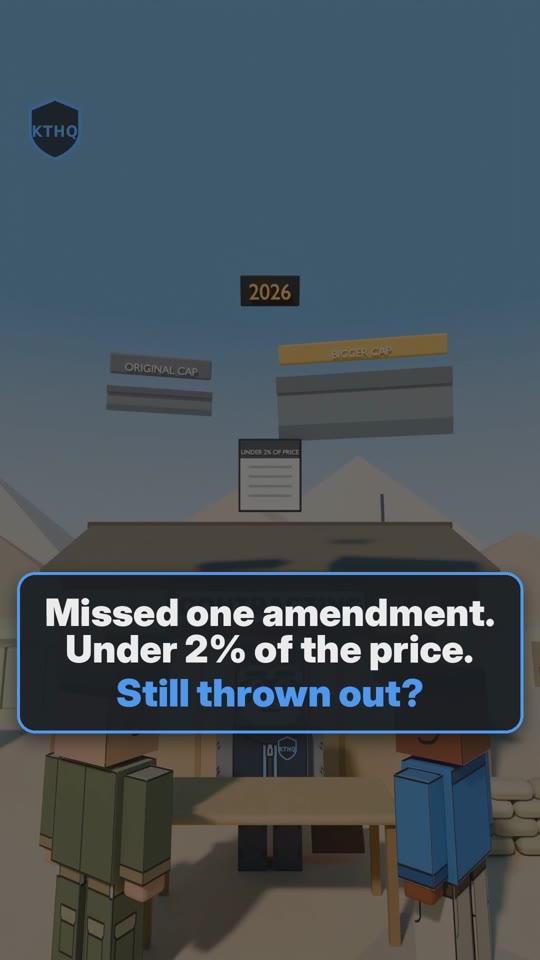 Episode 44
Amendments and questions
Changes to a solicitation come by written amendment, and answers go to everyone. Miss a material amendment, and the offer can be thrown out.
Watch on YouTube (Episode 44, opens in a new tab) -
 Episode 45
Organizational conflicts of interest
Biased ground rules, unequal access to information, and impaired objectivity. Spot them early, then avoid, neutralize or mitigate them.
Watch on YouTube (Episode 45, opens in a new tab) -
 Episode 46
Past performance
How a company did on earlier contracts, used to predict how it'll do on this one. The report cards follow it for years, and no record counts as neutral.
Watch on YouTube (Episode 46, opens in a new tab) -
 Episode 47
Unsolicited proposals
A company's own idea, sent without being asked. It has to be truly new and not something the agency already plans to buy, and the ideas stay the company's.
Watch on YouTube (Episode 47, opens in a new tab) -
 Episode 48
Statements of work (SOW, PWS and SOO)
Three ways to describe the work. A SOW says how, a PWS says what done looks like, and a SOO sets the goals and lets each company write the plan.
Watch on YouTube (Episode 48, opens in a new tab) -
 Episode 49
Excessive pass-through charges
A markup on a subcontractor's work is fine when the prime adds value. A markup for doing nothing doesn't get paid.
Watch on YouTube (Episode 49, opens in a new tab) -
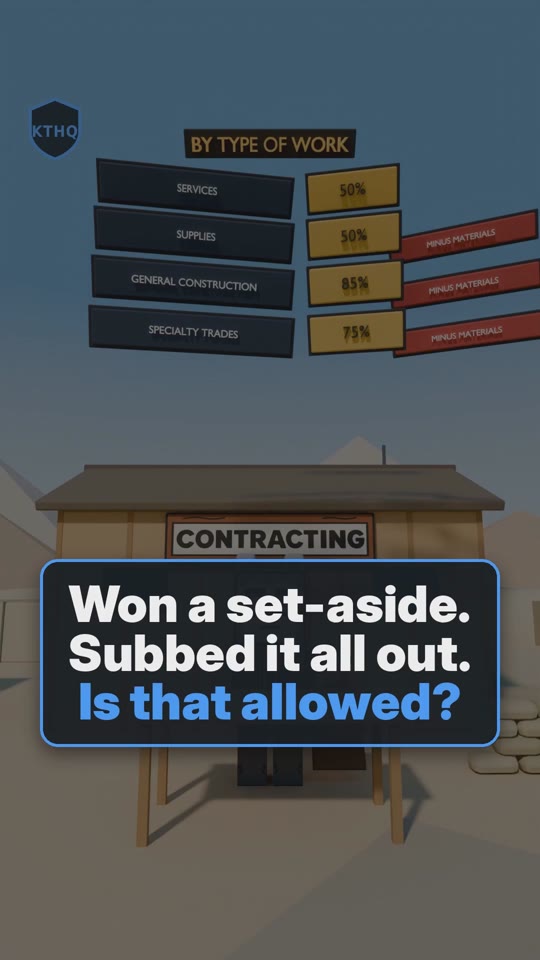 Episode 50
Limitations on subcontracting
A small business that wins a set-aside has to do a real share of the work. On services, no more than half the money can go to subcontractors that aren't similarly situated.
Watch on YouTube (Episode 50, opens in a new tab) -
 Episode 51
Certificate of competency
When a contracting officer finds a small business not responsible, the SBA gets the final word. Fifteen business days, and a certificate settles it.
Watch on YouTube (Episode 51, opens in a new tab) -
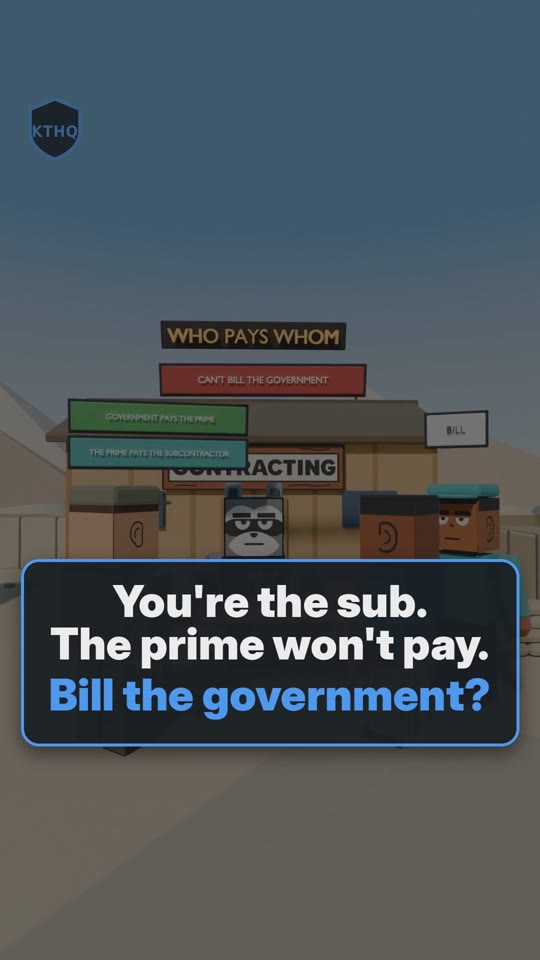 Episode 52
Subcontracting basics
The government's contract is with the prime, and only the prime. Subcontractors have no privity, so the work, the pay and any dispute run through the prime.
Watch on YouTube (Episode 52, opens in a new tab) -
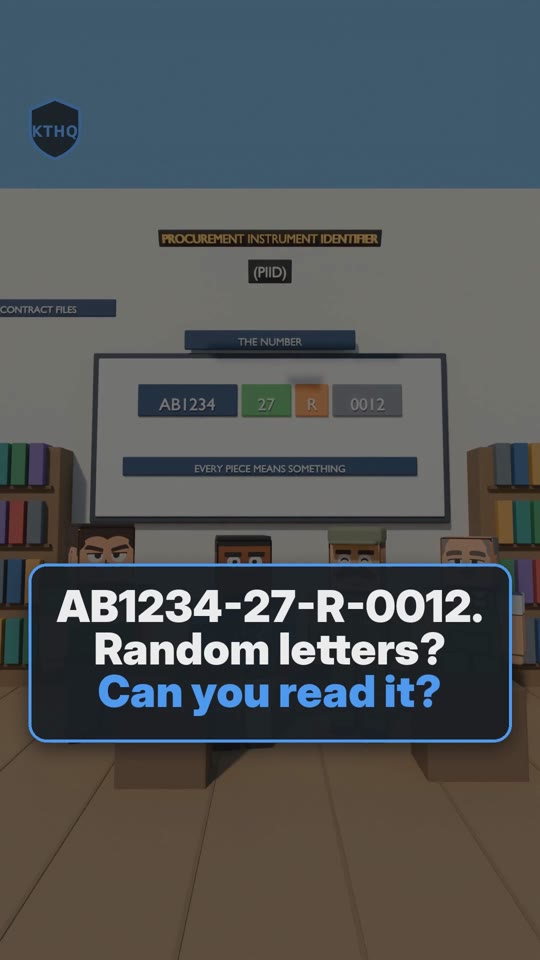 Episode 53
Reading a solicitation or contract number
Every solicitation, contract and order has a PIID. Office code, fiscal year, a type letter and a serial number, read left to right.
Watch on YouTube (Episode 53, opens in a new tab) -
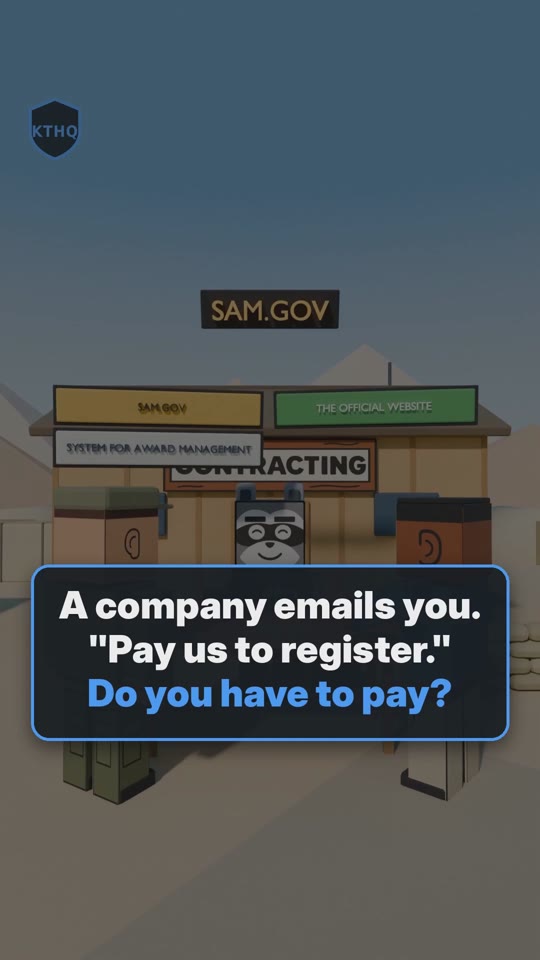 Episode 54
SAM.gov
The official place the government posts its contract actions, and where companies register. Registering is free.
Watch on YouTube (Episode 54, opens in a new tab) -
 Episode 55
Liquidated damages
A daily rate, set up front, owed for every day late. A fair forecast, not a penalty, and no charge for delays the contractor couldn't control.
Watch on YouTube (Episode 55, opens in a new tab) -
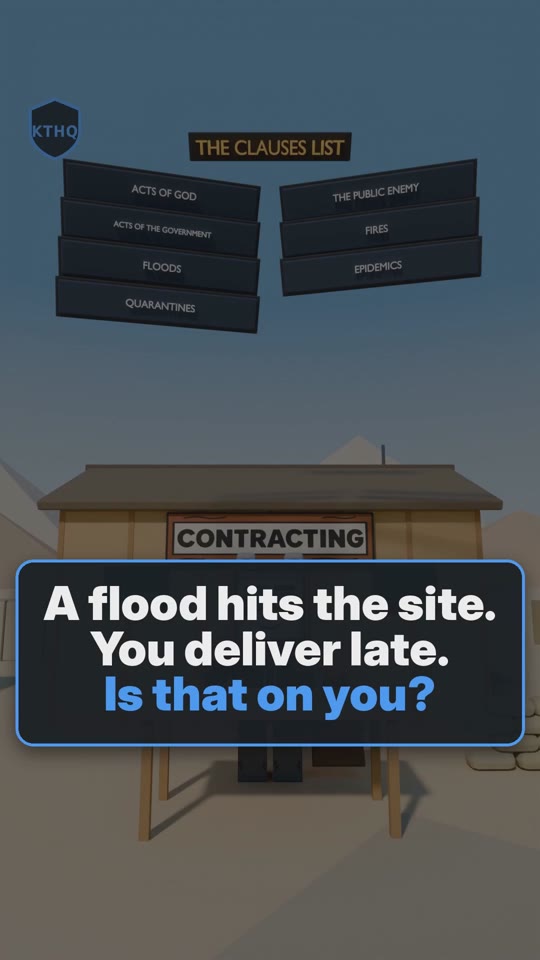 Episode 56
Excusable delays
Beyond your control and not your fault. Tell the contracting officer fast, and you get more time, not more money.
Watch on YouTube (Episode 56, opens in a new tab) -
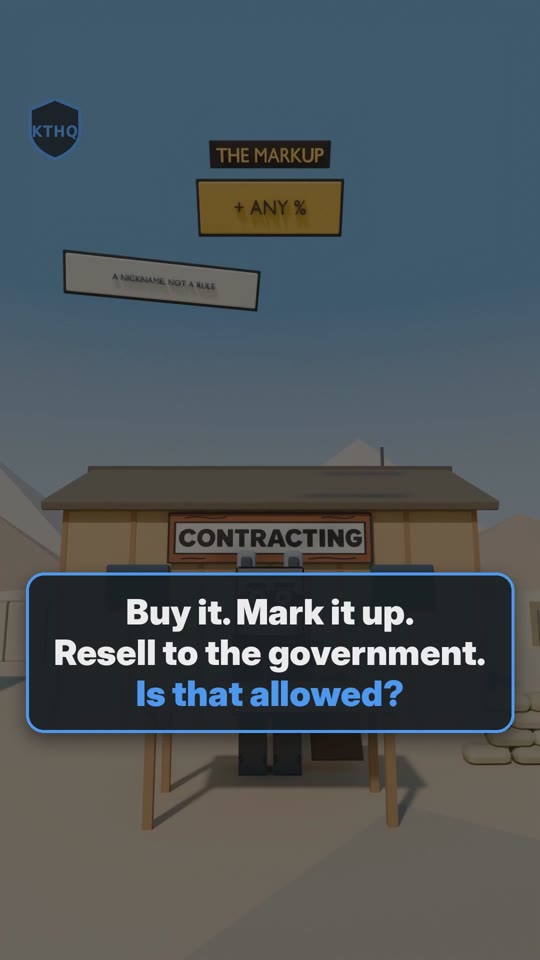 Episode 57
Ten percenters
Companies that buy from someone else and resell to the government. The markup might be ten percent, but the risk is a hundred percent.
Watch on YouTube (Episode 57, opens in a new tab) -
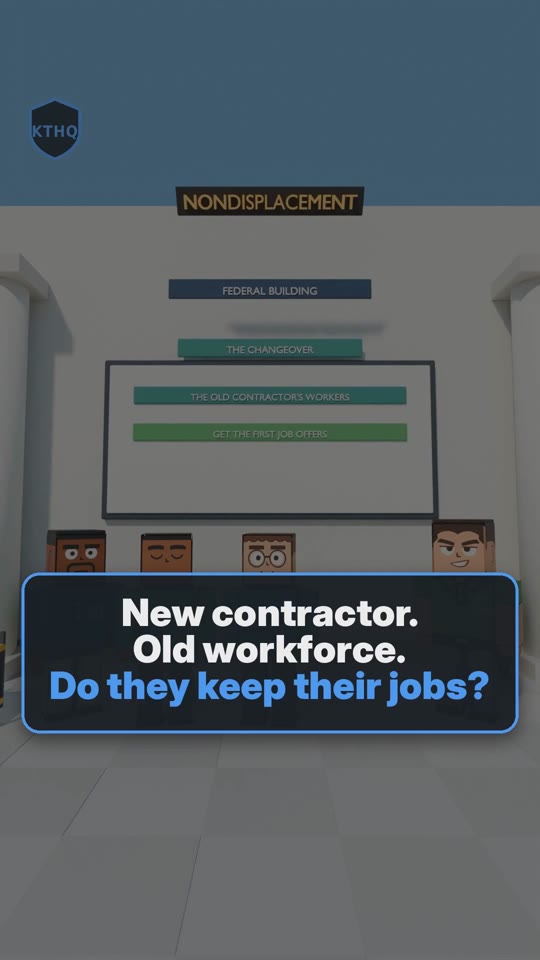 Episode 58
Nondisplacement of qualified workers
When a service contract changes hands, the new contractor offers jobs to the old workforce first. Whether the rule exists depends on the president.
Watch on YouTube (Episode 58, opens in a new tab) -
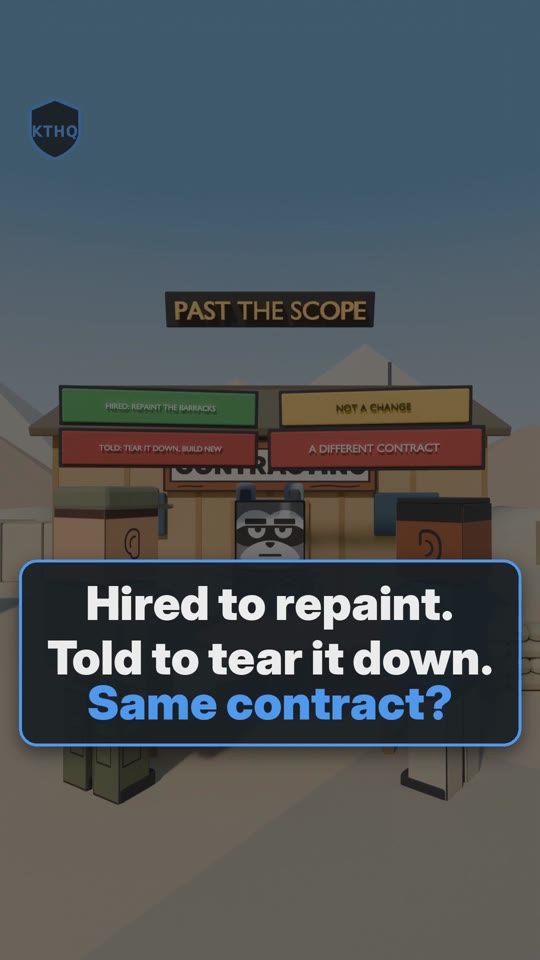 Episode 59
Cardinal changes
A change so big the contract isn't the same deal anymore. For the contractor it's a breach, and for the government it's work that was never competed.
Watch on YouTube (Episode 59, opens in a new tab) -
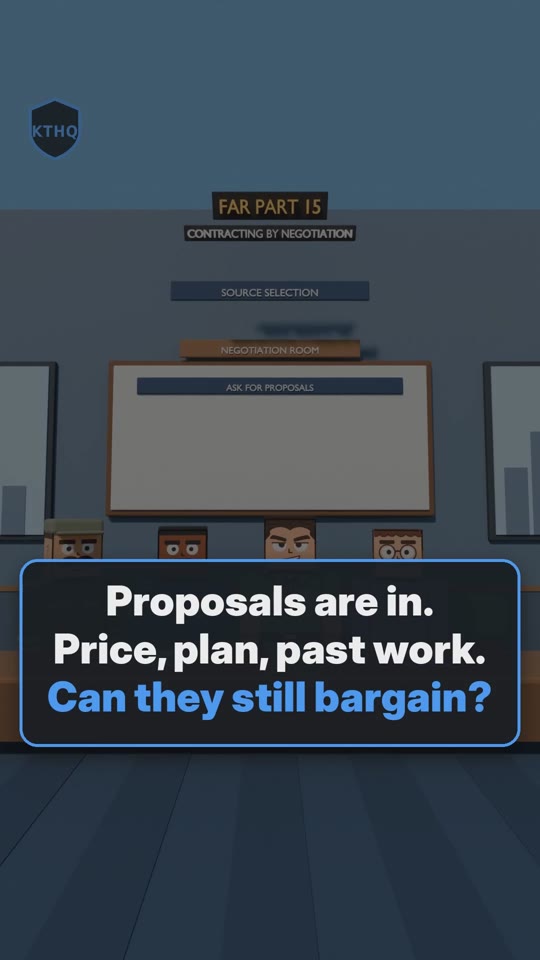 Episode 60
FAR Part 15, contracting by negotiation
Buying by negotiation. Proposals graded only on the RFP's factors, talks if needed, and best value at the end.
Watch on YouTube (Episode 60, opens in a new tab) -
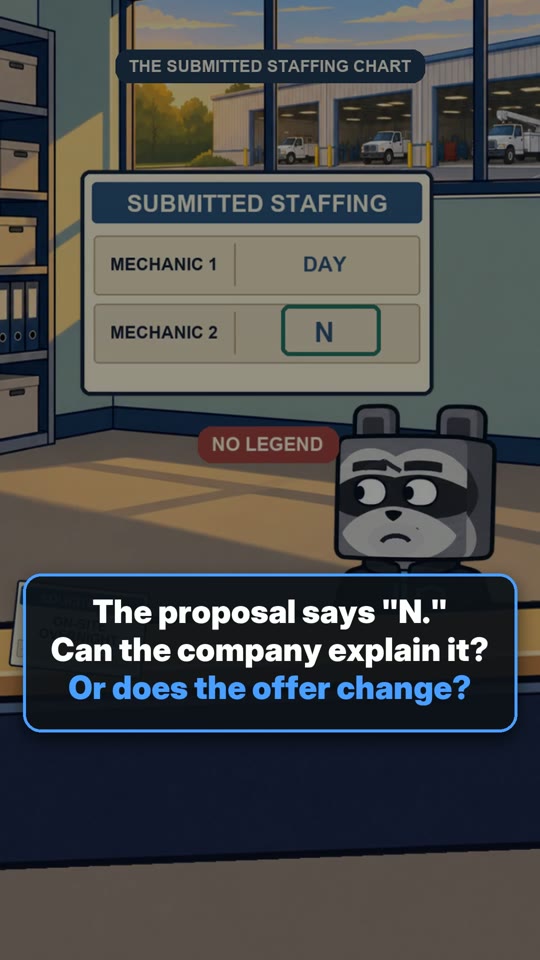 Episode 61
How FAR Part 15 changed under the overhaul
A fleet-maintenance proposal with one unexplained letter shows the difference between clarifying an offer and changing it.
Watch on YouTube (Episode 61, opens in a new tab) -
 Episode 62
Bid protests
A company formally challenging a solicitation, evaluation or award. Be an interested party, pick your forum, and watch the clock.
Watch on YouTube (Episode 62, opens in a new tab) -
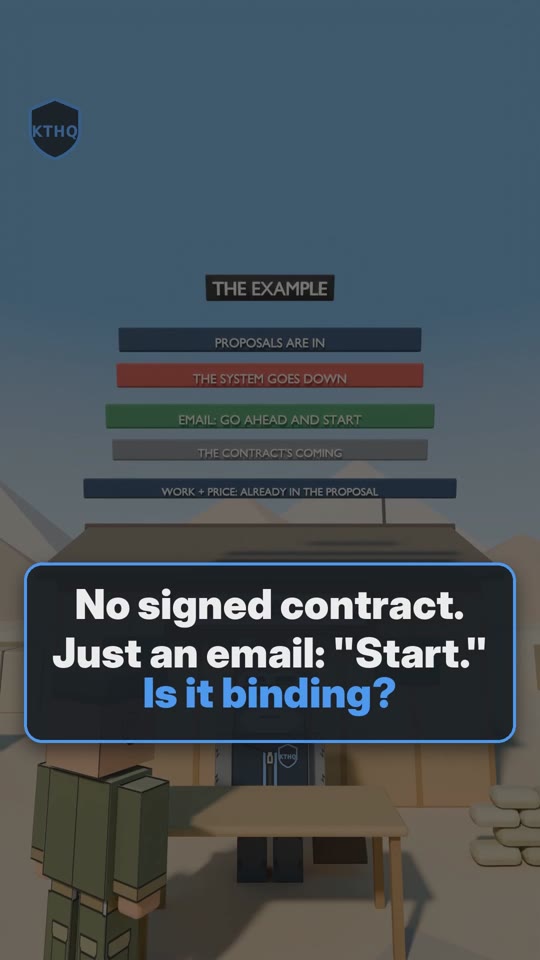 Episode 63
Implied-in-fact contracts
A real contract nobody wrote down, proven by how both sides acted. Two federal laws name them, and conduct alone can bind the government.
Watch on YouTube (Episode 63, opens in a new tab) -
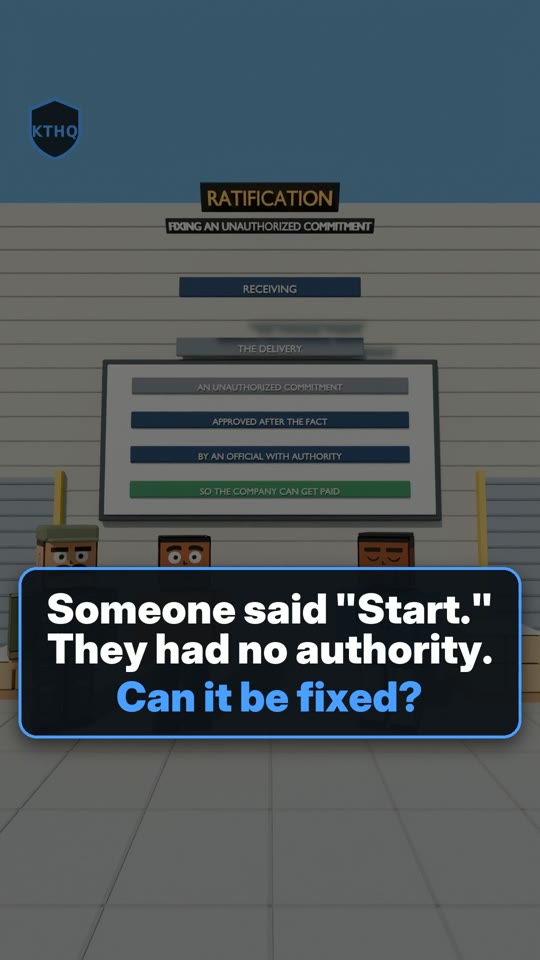 Episode 64
Ratification
An authorized official can approve an unauthorized commitment after the fact. It takes specific conditions, and payment is never guaranteed.
Watch on YouTube (Episode 64, opens in a new tab) -
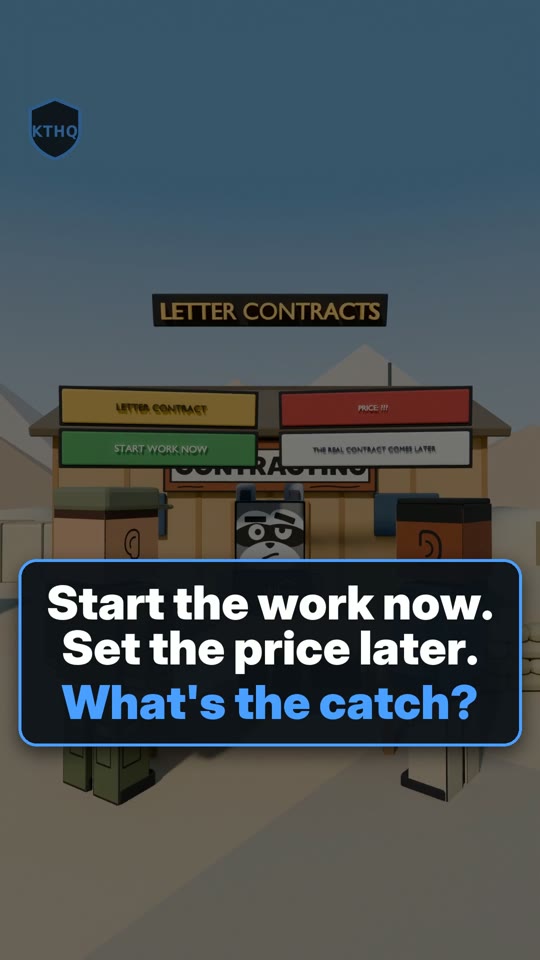 Episode 65
Letter contracts and UCAs
Work starts before the final price and terms are settled. Approval, dollar limits and deadlines keep the deal from staying unfinished.
Watch on YouTube (Episode 65, opens in a new tab) -
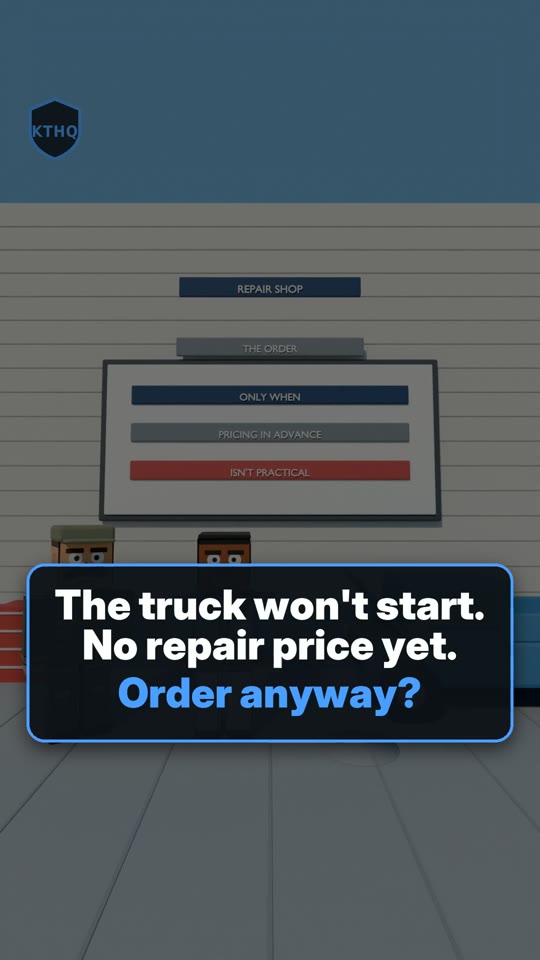 Episode 66
Unpriced purchase orders
Start the work when pricing up front isn't practical. Set a realistic dollar limit, then settle the price quickly.
Watch on YouTube (Episode 66, opens in a new tab) -
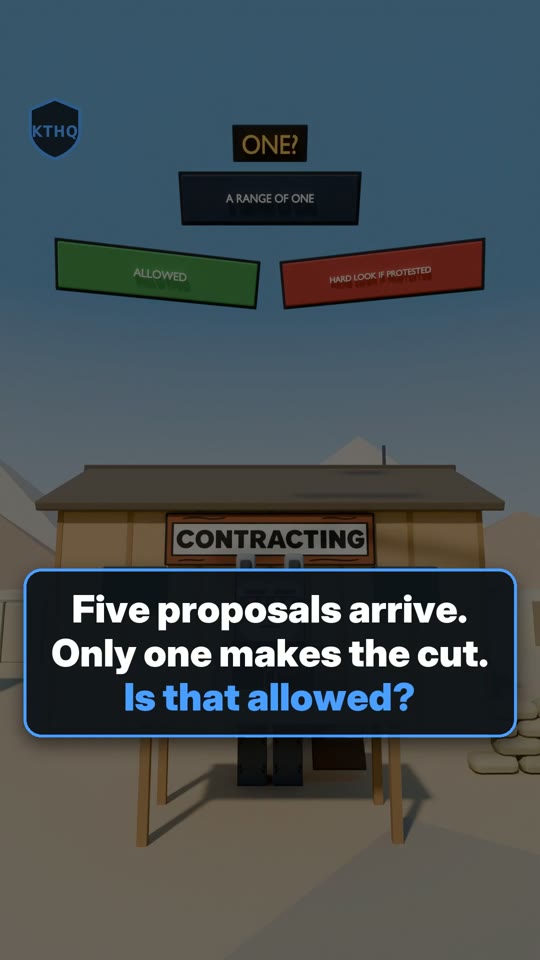 Episode 67
Setting a competitive range
The short list for negotiations. Keep the proposals best suited for more talks, tell the others why they are out, and negotiate with everyone who remains.
Watch on YouTube (Episode 67, opens in a new tab) -
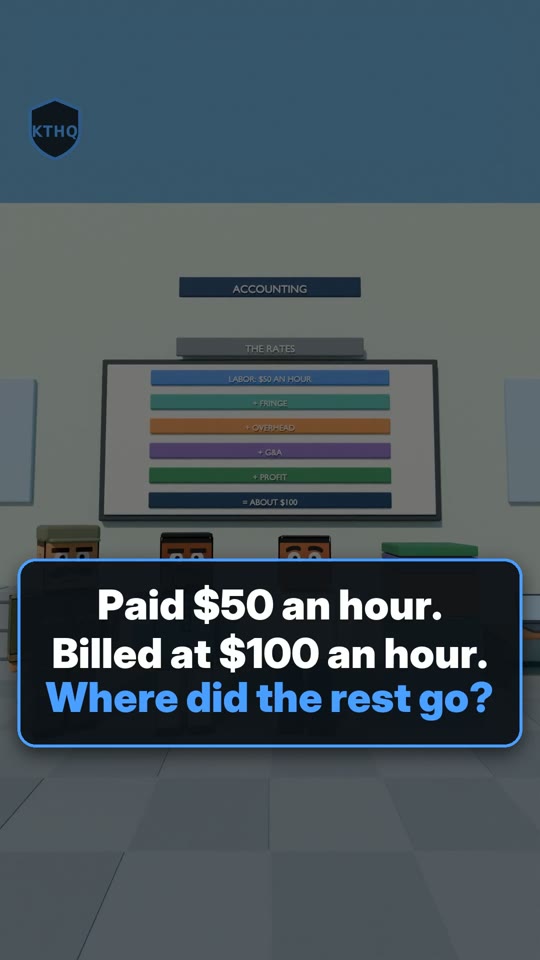 Episode 68
Direct vs indirect costs and overhead rates
Some costs belong to one contract, while others are shared across the company. Overhead rates spread those shared costs and help turn a paycheck into a price.
Watch on YouTube (Episode 68, opens in a new tab) -
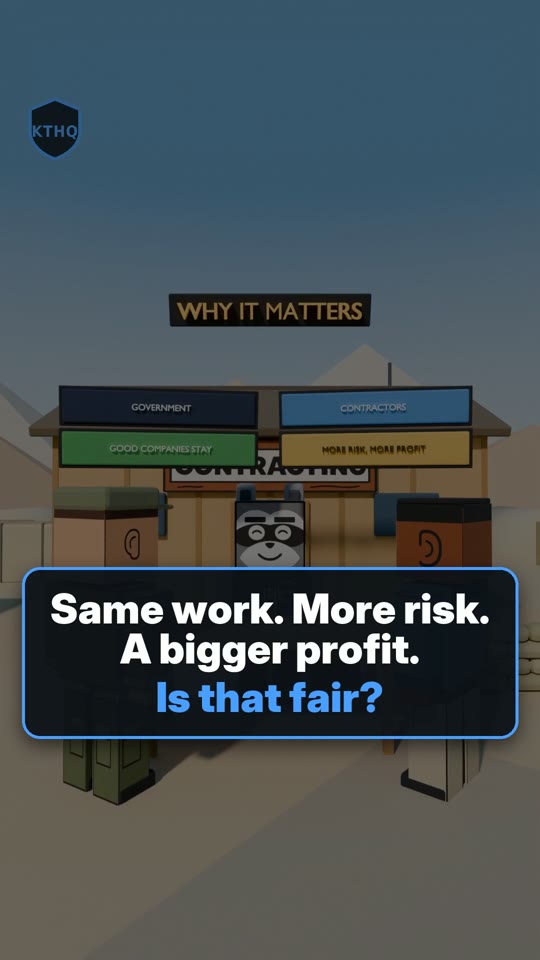 Episode 69
Profit and fee
There is no single percentage that fits every job. Competition, contract risk and specific fee limits shape what the contractor earns.
Watch on YouTube (Episode 69, opens in a new tab) -
 Episode 70
The independent government cost estimate
The government's own estimate, built before offers arrive. It helps plan funding and check prices, but a bad estimate can be the number that needs fixing.
Watch on YouTube (Episode 70, opens in a new tab) -
 Episode 71
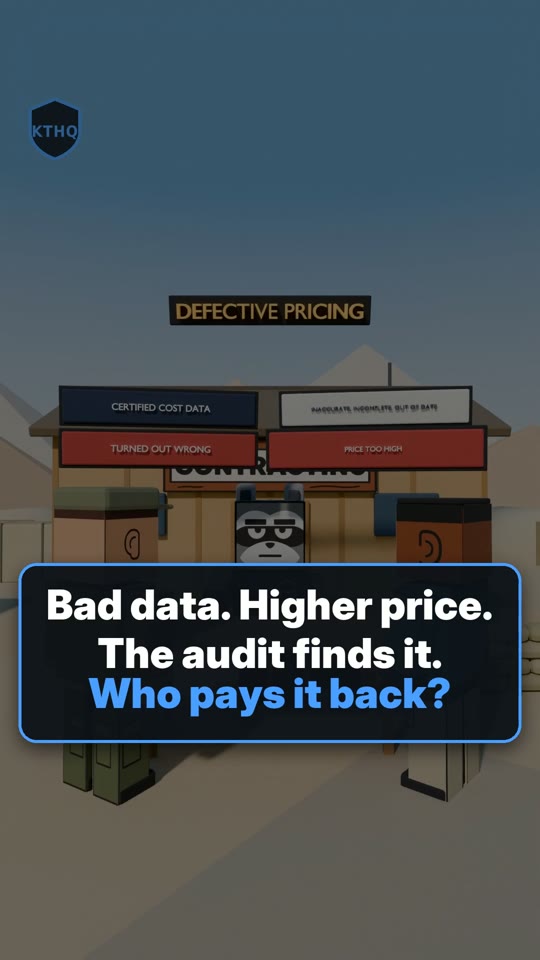
Defective pricing
Certified cost or pricing data was inaccurate, incomplete or out of date, and the price came out too high. The government can recover the overpricing, with added consequences for knowingly bad data.
Watch on YouTube (Episode 71, opens in a new tab) -
 Episode 72
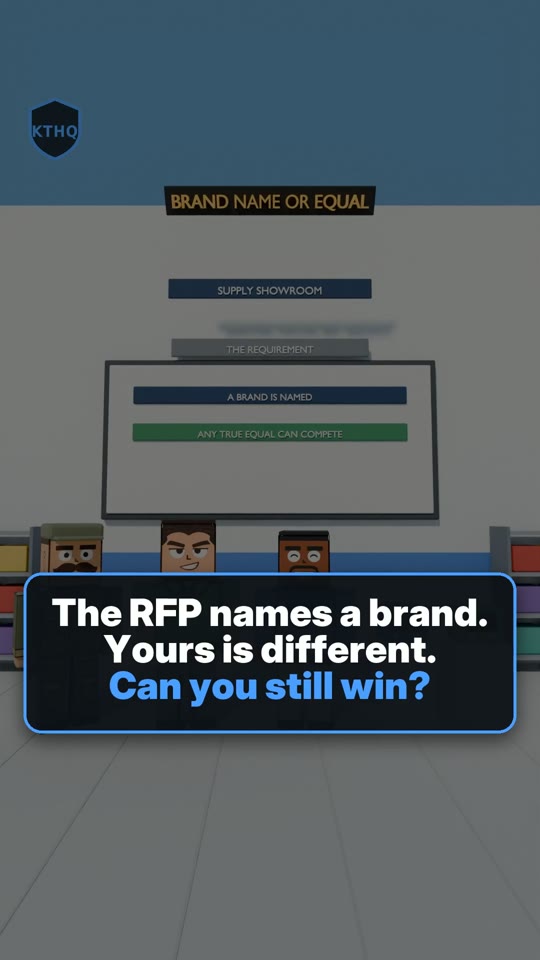
Brand name or equal
A named product sets the example, while equal products can compete. Read the listed characteristics and show how your product meets every one.
Watch on YouTube (Episode 72, opens in a new tab) -
 Episode 73
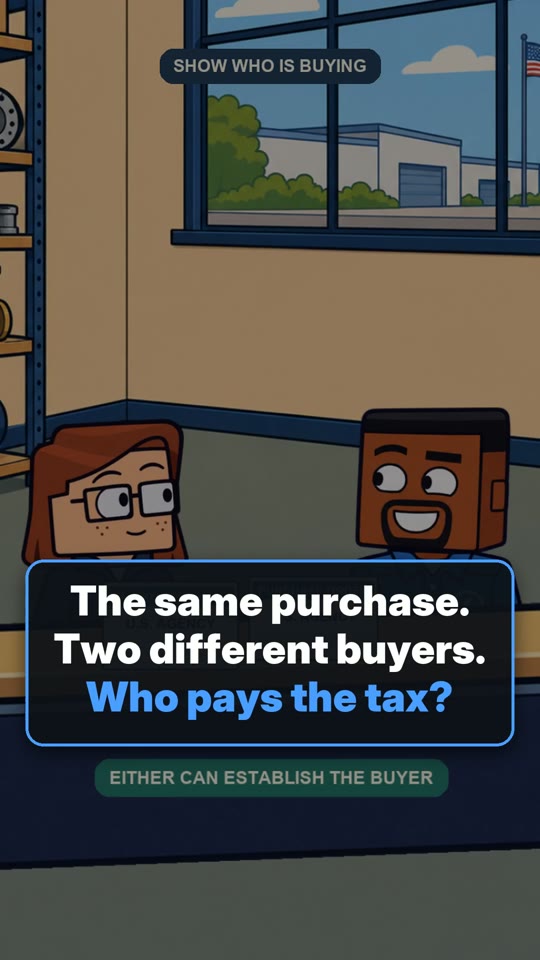
Taxes and the government
Who legally owes the tax and who buys the item shape the result. Contractors should check the applicable rules before pricing.
Watch on YouTube (Episode 73, opens in a new tab) -
 Episode 74
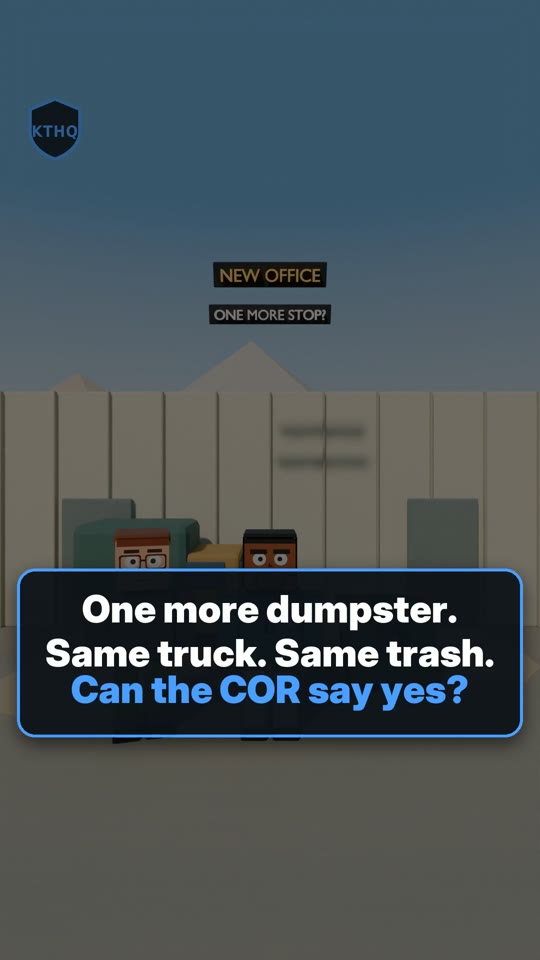
Contracting Officer's Representatives
A COR monitors the work and documents problems within a written delegation. Changing the work or promising payment goes back to the contracting officer.
Watch on YouTube (Episode 74, opens in a new tab) -
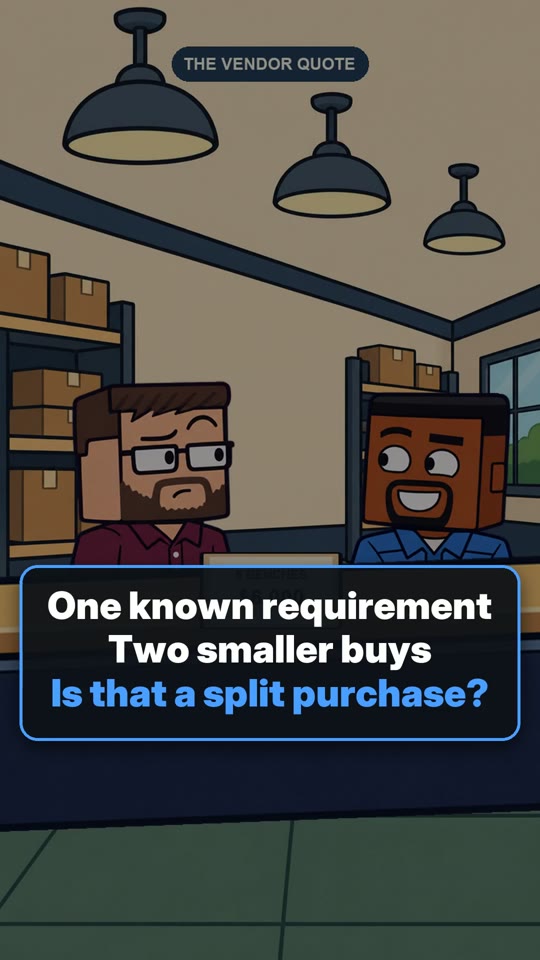 Episode 75
Split purchases
One known requirement cannot be divided to get around a buying limit. A genuine new need can arise after the first purchase.
Watch on YouTube (Episode 75, opens in a new tab)
These videos cover general, publicly available contracting information and are for educational purposes only. Want to go deeper? Start with the training tracks.